16th Century Virginia Colony Mysteries: Roanoke's Vanishing Act
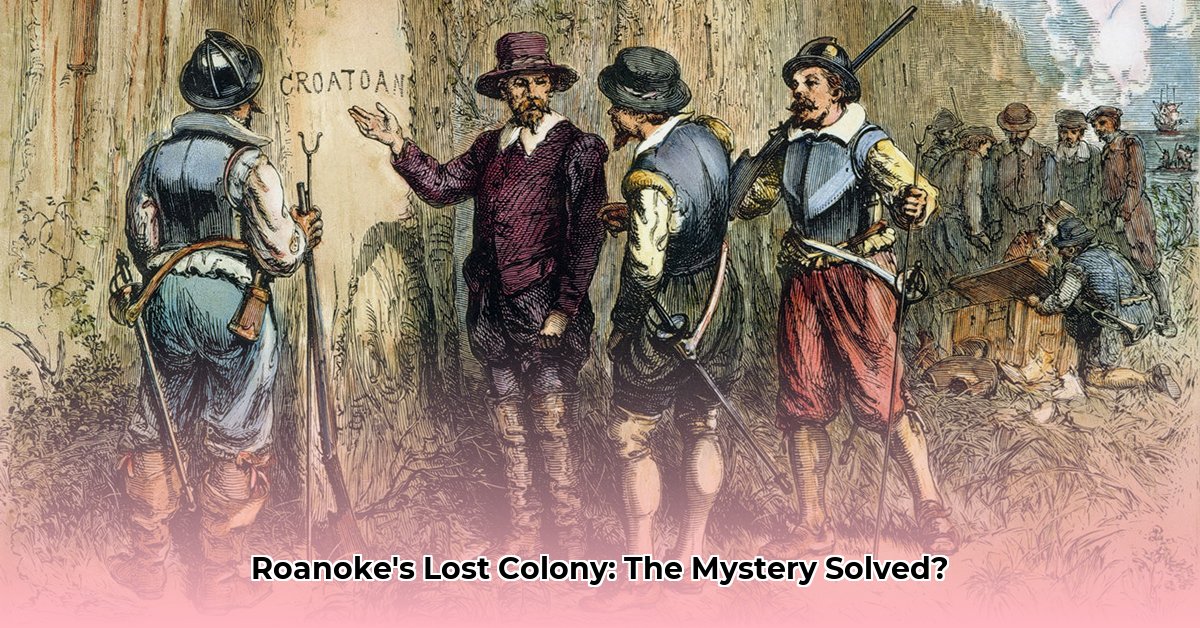
The story of Roanoke Island, a chilling tale of vanished colonists, stands as one of history's most enduring enigmas. Imagine the scene: 1590. A supply ship arrives, expecting a thriving English settlement. Instead, it finds only silence, deserted buildings, and a single, unsettling word carved into a post: "Croatoan." One hundred and seventeen colonists—gone. What happened to them? This question has captivated historians and fueled speculation for centuries, making Roanoke a captivating case study in the challenges of interpreting the past. For more on early colonial history, check out this resource.
The disappearance wasn't a sudden event; it was a culmination of complex factors, many of which we can only speculate about. Did disease, starvation, or conflict with indigenous populations play a role? Or did the colonists choose to integrate with the native tribes? These questions, interwoven with the scant evidence left behind, create a complex tapestry of possibilities. How effectively could these early colonists adapt to the harsh realities of the New World? We must also consider the inherent biases in the available historical accounts.
A Ghostly Settlement: Unraveling the Enigma of Roanoke
The vanished colony of Roanoke remains a chilling reminder of the challenges faced by early colonial settlements. The sparse physical evidence, coupled with the lack of detailed accounts from the colonists themselves, makes the investigation incredibly challenging. Did the colonists struggle with disease? Were they decimated by conflict with local tribes, perhaps the Secotan or the Croatoan? Or did they successfully integrate with local communities, abandoning their English identity? The limited information creates fertile ground for speculation and a multitude of theories. Understanding Roanoke requires acknowledging the limitations of our knowledge, making informed deductions based on limited evidence.
Theories Abound: A Tapestry of Possibilities
Several theories attempt to explain Roanoke's disappearance. The word "Croatoan" carved on the post is central to many interpretations. This suggests a possible relocation or assimilation with the Croatoan tribe, a local Native American group. Archaeological findings have shown evidence of interaction between the colonists and local tribes, but no conclusive proof of a mass migration. This theory, while compelling, remains unproven.
However, the "Croatoan" theory is not the only explanation. Disease, a constant threat in the 16th century, could have devastated the colony. Starvation, due to resource scarcity and agricultural difficulties, is another plausible possibility. Conflict with other tribes, motivated by competition for resources or clashing cultural values, remains a significant possibility. The lack of definitive evidence leaves all these possibilities viable.
The Dare Stone: A Piece of the Puzzle or a Red Herring?
Adding to the complexity is the Dare Stone. This artifact, if authentic (a point vigorously debated by experts), could hold crucial clues to the colonists fate. The potential inscriptions' exact meaning and the very authenticity of the stone remain contested, adding another layer to the mystery surrounding the disappearance of Roanoke's inhabitants. The Dare Stone symbolizes the difficulties in interpreting historical artifacts and the potential for misinterpretations.
What We Know (and Don't Know) About Roanoke
We know the Roanoke colony faced significant challenges. Supply shortages, complex interactions with indigenous populations, and the ever-present threat of disease were all contributing factors. Were these factors alone sufficient to cause the complete disappearance of the colony, though? This remains the core question. The fact that Roanoke vanished almost without a trace distinguishes it from other struggling early colonial settlements, highlighting the unique and unresolved aspects of its history.
The Ongoing Search for Answers
The enduring mystery of Roanoke stems from the elusive nature of the past and the desire to uncover lost narratives. The absence of definitive answers has fueled continued research and inspires new investigations—each excavation, analysis, and interpretation offering possibilities for altering our understanding. What new evidence might future discoveries reveal?
Key Figures in the Roanoke Drama
Several key individuals shaped the story of Roanoke, either directly or indirectly contributing to the unfolding drama:
- Governor White: His delayed return and limited response to the colonists' disappearance are crucial factors.
- John White: His close relationship with the Native Americans might hold vital clues to the colonists' fate.
- Manteo: His role highlights the early complex interactions between the colonists and local tribes.
- The Croatoan Tribe: Their interactions—peaceful or hostile—are critical to solving the mystery.
These individuals, along with the numerous unnamed colonists, contribute to the multifaceted nature of the Roanoke mystery. Their actions and experiences, as far as we can reconstruct them, provide critical context for understanding the event.
How did the Roanoke colonists' interactions with Native Americans contribute to their disappearance?
The colonists' relationship with indigenous tribes remains central to the Roanoke mystery. Early encounters saw both cooperation and tension. Initial reliance on the tribes for food and supplies gave way to conflicts over resources and misunderstandings. The colonists' expansion into Native American territories further heightened tensions.
However, the lack of indigenous perspectives makes it difficult to assess the complete story of these interactions. The accounts we possess are largely biased toward the English experience, leaving a significant gap in our understanding. Did the colonists face open conflict, or did tensions gradually escalate to a disastrous point? The "Croatoan" inscription, interpreted by many as a sign of a possible relocation to the Croatoan tribe, remains a critical—albeit ambiguous—clue. The mystery of Roanoke serves as a compelling illustration of the complexities of intercultural relations in the colonial era and the challenges of reconstructing the past from limited and frequently biased sources.
Key Takeaways:
- Initial interactions between the colonists and Native Americans were a mixture of cooperation and conflict.
- Escalating tensions and resource competition likely contributed to the colony's fate.
- Disease and possible famine should not be dismissed as contributing factors.
- The absence of detailed Native American perspectives limits our understanding of the full story.
- The meaning of "Croatoan" remains a central, unanswered question.
The mystery of Roanoke continues to challenge and intrigue us, serving as a potent reminder of the complexities of the past and the challenges of interpreting historical events. The search for answers continues, motivating continued research and highlighting the enduring fascination with this historical enigma.